Yiwrite today +1+2+3+4 pages +
In fiction
Novelist Jane Smiley suggests that length is an important quality of the novel.[2] However, novels can vary tremendously in length; Smiley lists novels as typically being between 100,000 and 175,000 words,[3] while National Novel Writing Month requires its novels to be at least 50,000 words. There are no firm rules: for example, the boundary between a novella and a novel is arbitrary and a literary work may be difficult to categorise.[4] But while the length of a novel is mainly dependent on its writer,[5] lengths may also vary by subgenre; many chapter books for children start at a length of about 16,000 words,[6] and a typical mystery novel might be in the 60,000 to 80,000 word range while a thriller could be well over 100,000 words.[7]
The Science Fiction and Fantasy Writers of America specifies word lengths for each category of its Nebula Award categories:[8]
| Classification | Word count |
|---|---|
| Novel | 40,000 words or over |
| Novella | 17,500 to 39,999 words |
| Novelette | 7,500 to 17,499 words |
| Short story | 1000 word up to 7,500 words |
Word Counts For Short Stories, Novellas And Novelettes
- Short story: over 1,000 words, usually less than 10,000.
Short articles, typically under 700 words, cater to the fast-paced reader. They are perfect for concise ideas, quick tips, or updates. These pieces are easily digestible, often leading to higher readership numbers.
How many words per article?
A study by Wix suggests that the ideal length for a blog or article is 1,500 – 2,500 words. They go even further by saying that 2,450 words is the “sweet spot” Finally, data from Wordstream shows that their best-performing content came in at 2,700 to 3,000 words.
A novella is a narrative prose fiction whose length is shorter than most novels, but longer than most novelettes and short stories. The English word novella derives from the Italian novella meaning a short story related to true (or apparently so) facts.
Versus novelette
Dictionaries define novelette similarly to novella, sometimes identically,[24] sometimes with a disparaging sense of being trivial or sentimental.[25] Some literary awards have a longer “novella” and a shorter “novelette” category, with a distinction based on word count. Among awards, a range between 17,500 and 40,000 words is commonly used for the novella category, whereas 7,500–17,500 is commonly used for novelettes.[26][27][28] According to The Writer, a novelette is approximately between 7,000 and 20,000 words in length, anything shorter being considered a short story.[29]https://en.wikipedia.org/wiki/Novella#Versus_novelette
+++++++++++
This website and webpage are always under construction, development, upgrade, updates, and renewals
This website and its pages are under development and improvement, updates, upgrades, and enhancements as much as possible to ensure the best possible experience.
This website and its pages are under construction, undergoing development, and continually improved through updates, upgrades, renewals, and enhancements, only as much as possible, to ensure the best possible experience for visitors.
+++++++++
???? From dawn’s first light to the glow of the full moon, every celebration is a chance to shine.
???? From a single rose to a flourishing garden, beauty blooms in every season of life.+
++++++++++++
???? From the warmth of summer days to the calm of winter nights, joy can be found in every season of life.
++++++++++++++++++
Synonyms for “watch video” include view video, see video, stream video, play video, look at video, check out video, observe video, and monitor video. Other related phrases depend on the context, such as “enjoy a film,” “catch a show,” or “stream a movie”.
++++++++
Synonyms for “watch video” include view video, see video, stream video, play video, look at video, check out video, observe video, and monitor video. Other related phrases depend on the context, such as “enjoy a film,” “catch a show,” or “stream a movie”.
Common Synonyms
- View video: To see a video, often a more formal way to say it.
- See video: A direct and simple alternative to “watch video”.
- Stream video: To watch a video over the internet.
- Play video: To start and run a video, often used with controls or on a device.
- Look at video: A general phrase for visually observing a video.
- Check out video: An informal way to suggest viewing a video.
- Observe video: To watch a video carefully and notice details.
- Monitor video: To watch a video over a period of time to keep track of it.
Context-Specific Alternatives
- For entertainment: “Enjoy a film,” “catch a show,” “watch a movie,” or “binge-watch”.
- For content online: “Stream a show,” “watch a clip,” or “view content”.
- For a broadcast: “Tune in,” “catch the broadcast,” or “watch live”.
- For a presentation: “See the presentation” or “review the footage”.
++++++++++++++++++++++++++
+++++++++
In many classes, you may be asked to watch an instructional video before a class discussion. Good note-taking will improve your active listening, comprehension of material, and retention. Taking notes on both synchronous and asynchronous material will help you better remember what you hear and see.
+++
Taking notes helps you to concentrate and listen effectively. Selecting what to note down increases your understanding. Notes create a resource for exam preparation.
for several reasons: Visual and Auditory Learning: Video lectures cater to both visual and auditory learners, allowing students to engage with the material in multiple ways.
Note-taking offers significant benefits, including improved memory retention, better focus and active listening, enhanced comprehension, and the ability to organize and summarize complex information. It creates personalized study aids, fosters critical thinking, and helps in tracking personal and professional goals by providing a condensed, reviewable record of key ideas.
Cognitive Benefits
- Improved Memory & Retention: The act of writing things down reinforces information, helping you remember it longer and aiding in recall.
- Enhanced Focus & Alertness: Engaging in note-taking keeps you alert and prevents drowsiness or distraction by keeping your mind actively involved with the material.
- Deeper Comprehension: By summarizing information in your own words, you test and solidify your understanding of the concepts being presented.
Learning & Study Skills
- Active Learning & Engagement: Note-taking is an active process that requires you to actively listen, think, and process information, leading to more effective learning.
- Organized Study Materials: Your notes act as a condensed, organized record and study guide, making it easier to link new information to existing knowledge and review for exams or meetings.
- Critical Thinking: You are forced to identify key ideas, distinguish main points from supporting details, and determine what is important, which develops your analytical skills.
Practical Applications
- Personalized Learning Tools: Notes become a customized study aid, containing the details you deemed most important in a format that makes sense to you.
- Idea Capture & Organization: It helps you capture fleeting thoughts, ideas, and decisions, creating a permanent record that can be revisited for personal and professional development.
- Professional Productivity: In busy work environments, notes from meetings or calls provide a concise record, ensuring you don’t forget crucial information and can focus on decision-making.
What are the advantages of note-taking?
Notetaking keeps your body active and involved and helps you avoid feelings of drowsiness or distraction. Engages your mind. Listening carefully and deciding what to include in notes keeps your mind actively involved with what you hear. Emphasizes and organizes information.
+++++++
100 years living, learning, working, and socializing by 100 to 100/000 to 100/000/000 million people
++++++++++++
Red roses present truth, love, friendship, real,
I love you, my friend, truly, lovingly, beautifully, naturally, joyfully
pleasently, please, pleasure,
+++++++
What is benefit and risk?
A risk–benefit ratio (or benefit-risk ratio) is the ratio of the risk of an action to its potential benefits. Risk–benefit analysis (or benefit-risk analysis) is analysis that seeks to quantify the risk and benefits and hence their ratio. Analyzing a risk can be heavily dependent on the human factor.. involving studies, testing, etc., to establish whether the benefits, as of a course of medical treatment, outweigh the risks involved. to arrive at a risk-benefit ratio.
What is the risk-benefit concept?
Here, the risk-benefit assessment is the scientific process where the potential adverse health effects are weighed against the potential beneficial health effects. The purpose of risk-benefit assessment is to offer scientific decision support to the risk-benefit manager.
++++
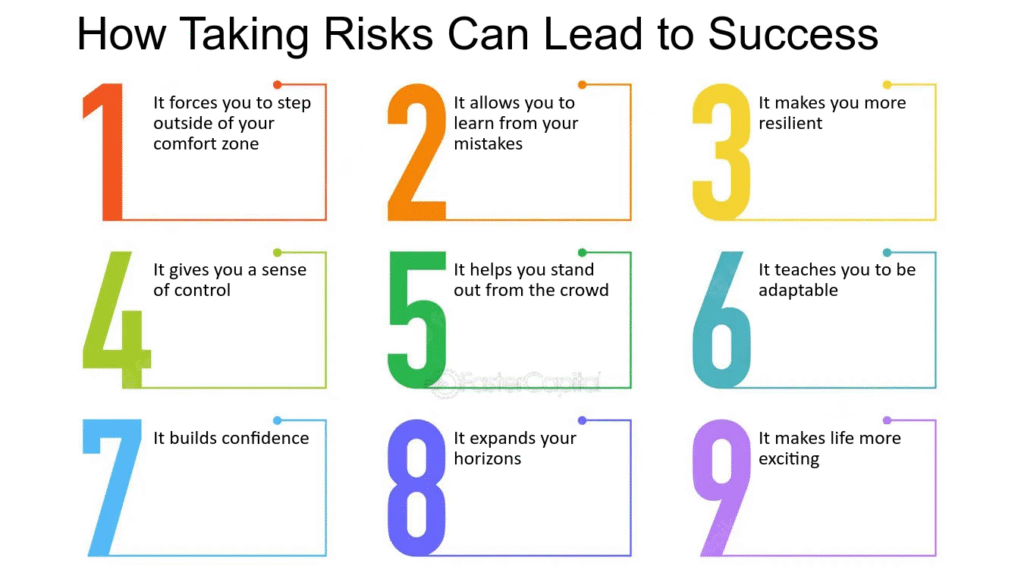
If someone says “the benefits outweigh the risks,” they mean that what can be gained is much more significant that what might be lost or risked:
++
++++
the benefits and risk
The balance of benefits and risks is a fundamental concept used in everything from daily decision-making to corporate strategy and scientific research
. A benefit is a positive outcome or advantage, while a risk is the potential for a negative outcome or harm. The evaluation process, known as a risk-benefit analysis, is a structured way to weigh these competing factors to determine if a particular action is worthwhile.
Common benefits of taking a risk
- Accomplishment and confidence: Successfully navigating a risk builds self-esteem and a sense of pride. This applies to both personal challenges, like public speaking, and professional ones.
- Growth and new skills: Stepping outside of one’s comfort zone offers opportunities for personal development and acquiring new capabilities. For children, “risky play” is crucial for developing spatial awareness, coordination, and confidence.
- Unforeseen opportunities: Many risks, particularly in business and personal life, can lead to unexpected positive outcomes that would not have been possible otherwise.
- Potential for innovation: In fields like medical research, taking a calculated risk with a new treatment can lead to major scientific advances and improved patient outcomes.
- Informed decision-making: The process of conducting a risk-benefit analysis itself leads to a deeper understanding of the situation, allowing for more strategic and thoughtful decisions.
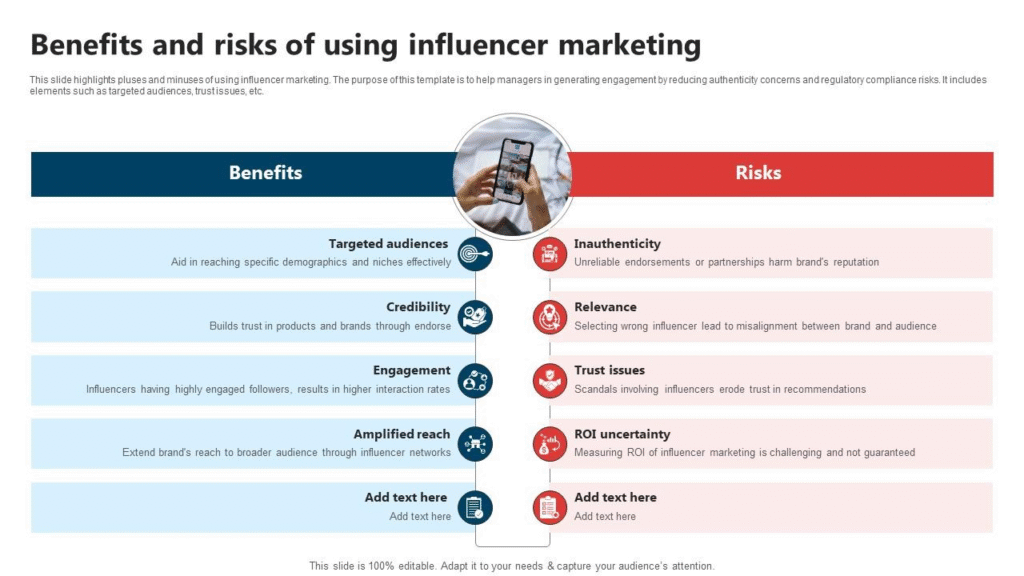
Common risks associated with action
Risks can manifest in different forms, and their likelihood and magnitude must be considered.
- Financial risks: These include financial losses for an individual or an organization. For businesses, this can involve poor returns on investment, bankruptcy, or costs from liability.
- Physical harm: This can range from minor injury to death. Risks can be voluntarily accepted, like in extreme sports, or involuntary, such as exposure to environmental hazards. In medicine, every procedure has an inherent risk of physical harm.
- Psychological or social harm: Risks can also impact mental and emotional well-being, leading to stress, embarrassment, or reputational damage. In research, this may involve loss of privacy.
- Loss of time and resources: Any action that fails to produce its desired outcome can result in wasted time, effort, and other valuable resources.
- Ethical implications: In research and other fields, taking a risk can raise ethical questions, especially when potential harms affect participants or the public. Transparency and a favorable risk-benefit ratio are key ethical considerations.
How to conduct a risk-benefit analysis
Whether for a medical procedure or a business decision, a systematic analysis involves a few core steps:
- Identify the benefits: Clearly define all the possible positive outcomes or advantages of the action.
- Identify the risks: Define the potential negative outcomes, harm, or adverse effects.
- Assess probability and magnitude: For both risks and benefits, evaluate how likely they are to happen and the scale of their impact.
- Compare alternatives: Consider alternative courses of action and their own risk-benefit profiles.
- Weigh and decide: Compare the total potential benefits against the total potential risks. The decision to proceed depends on whether the benefits outweigh the risks based on your values and the context.
- ++++++
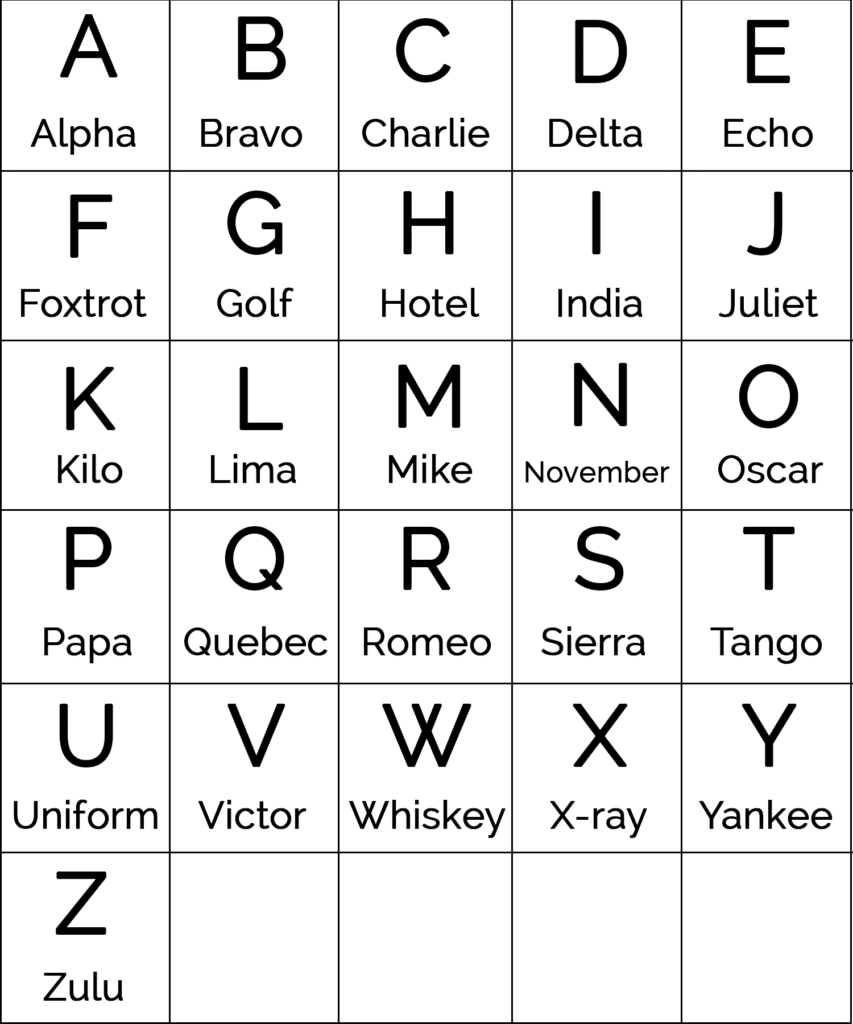


The phonetic alphabet
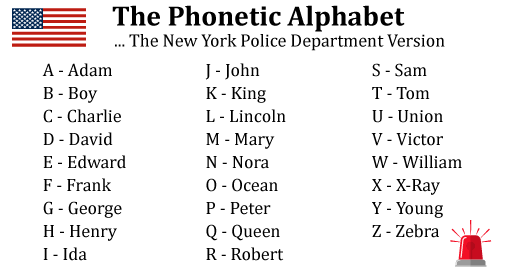
1=A alpha or apple, 2=B bravo or book?, 3=C Charlie or , 4=D Delta, or david 5+E Echo or easy, 6+F foxtrot or Fox or Frank, 7+ G golf, or Gorge 8+H Hotel or Henry 9+ india or idea, 10+J juliet, or John
11+K kilo, or King 12+L lima, 13+M mike, or Mary 14+N November, 15+O Oscar, or osean, 16+P Papa, or peter17+Q Quebec, 18+R Romeo, or Robert19+S Sierra or Sam 20+T Tango, or Tom
21+U uniform, 22+V Victor, 23+W Whiskey or William or Winter, 24+X X-ray, 25+Y Yankee, or Young 26+Z Zulu or Zero
++++++++++++++++++++++
Hundreds of billions of dollars funding is required to support theare needed globally to support libraries in the information age, particularly for Liberians, as part of the global information reform.
Hundreds of billions of dollars in funding are required globally to support libraries in the information age, as part of the global information reform.
Hundred billion dollars plus are needed to help Canadians’ liberties in the information age, particularly for Liberians, as part of the global information reform.
Ten billion dollars plus are needed to help British Columbia’s liberties in the information age, particularly for Liberians, as part of the global information reform.
Billion dollars plus are needed to help the Vancouver Central library in the information age, particularly for Liberians, as part of the global information reform.





++++++++++++++++++++
Banana
Eat Banana in Canada
Banana, be nice now!
Banana, be natural now!
Eat Banana, be nice now!
Eat a Banana, be natural now!
Banana, be nice now!
Banana, be natural now!
Eat Banana, be nice now!
Eat a Banana, be a naturally active now!
Eat a Banana, be able naturally active now!
now, natural, name, nutrition, nation, necessary. new, need
++++++
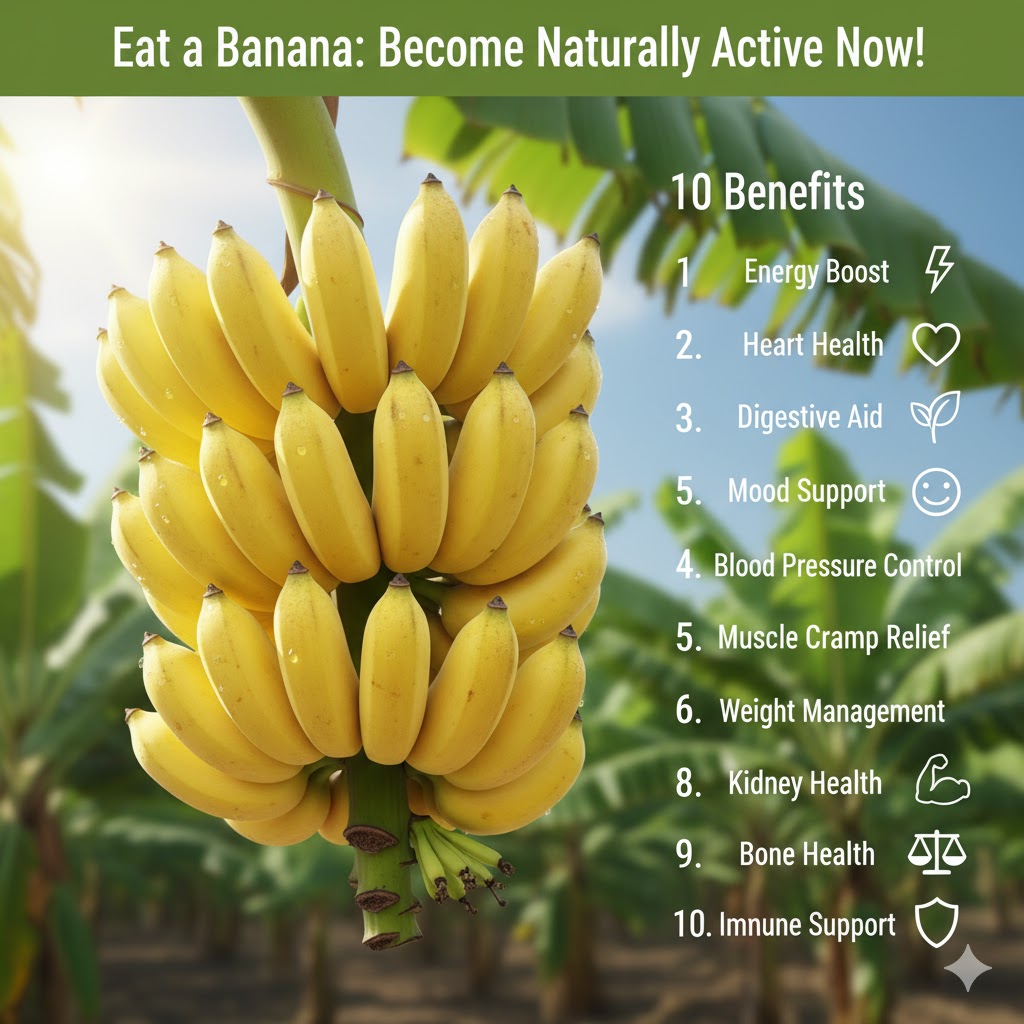
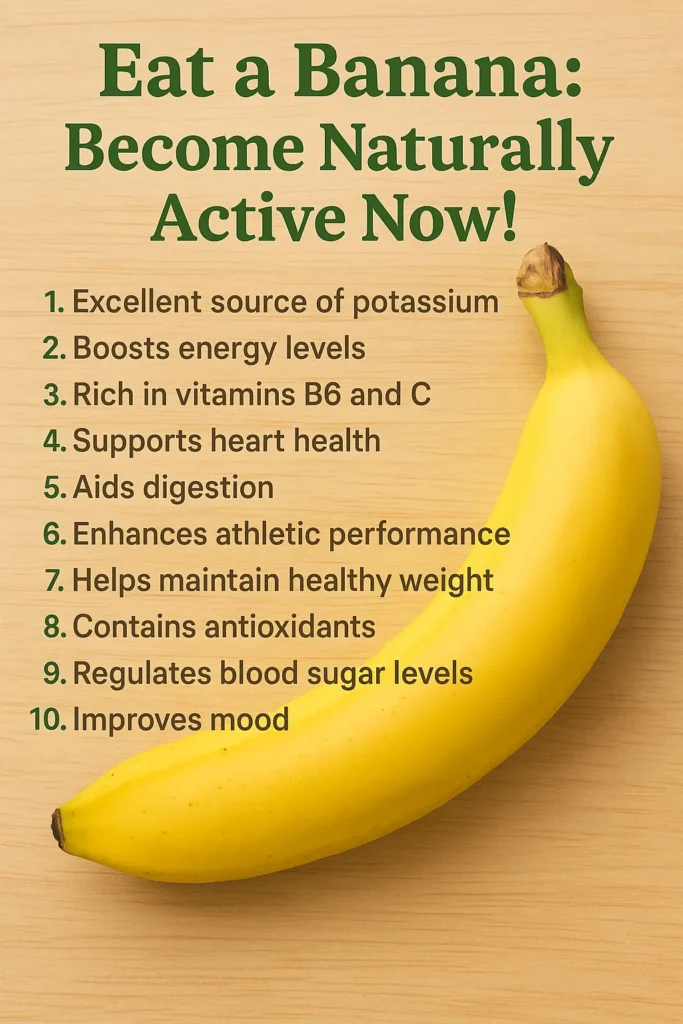
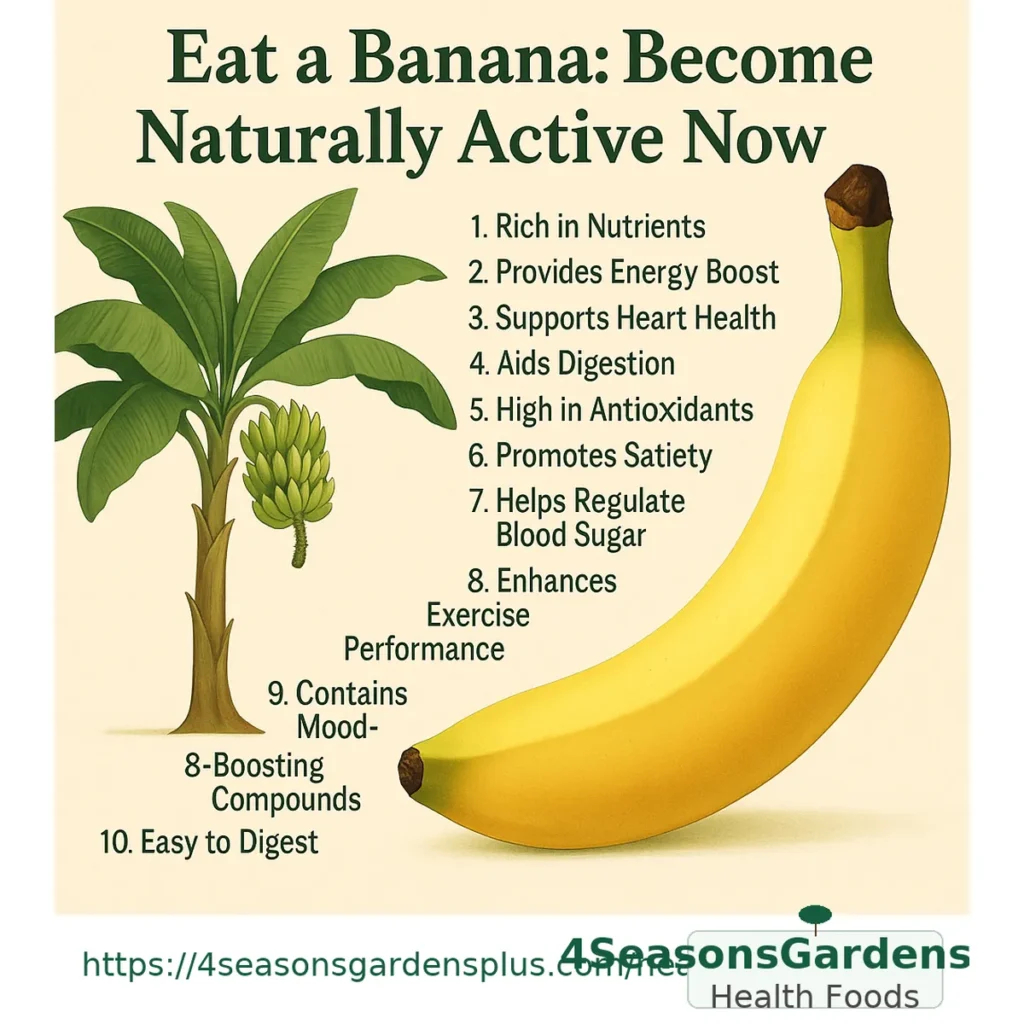
Eat a Banana: Become Naturally Active Now!
🍌 10 Benefits of Eating Bananas
- Rich in Nutrients: Packed with essential vitamins like Potassium, Vitamin B6, and Vitamin C.
- Energy Boost: The natural sugars (fructose, glucose) and fiber provide quick, sustained energy, perfect for athletes.
- Heart Health: High potassium levels help regulate blood pressure and support heart function.
- Digestive Aid: Fiber (both soluble and insoluble) promotes regular digestion and prevents constipation.
- Mood Enhancer: Contains tryptophan, an amino acid that the body converts to serotonin (the “happy” chemical).
- Supports Kidney Function: Potassium is vital for maintaining healthy kidneys.
- Good for Gut Bacteria: Acts as a prebiotic, feeding the good bacteria in your gut.
- Muscle Cramp Relief: The high potassium content can help prevent or relieve muscle cramps.
- Weight Management: Fiber helps you feel full longer, which can aid in controlling your appetite.
- Easy to Eat: A convenient, natural, and portable snack for any time of day.
+++++++++++++
Eat Grapes, be Great.
++++
To be, or not to be, that is the question
To be, or not to be
+++++++++++
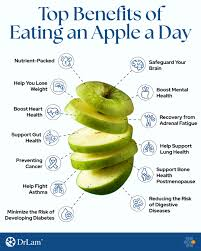
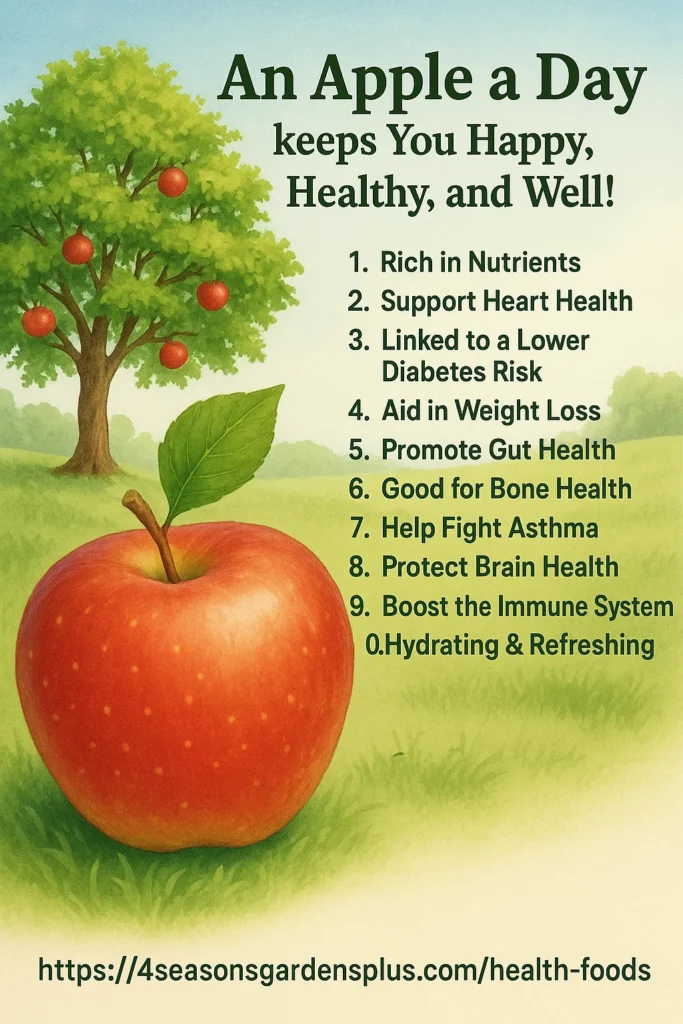
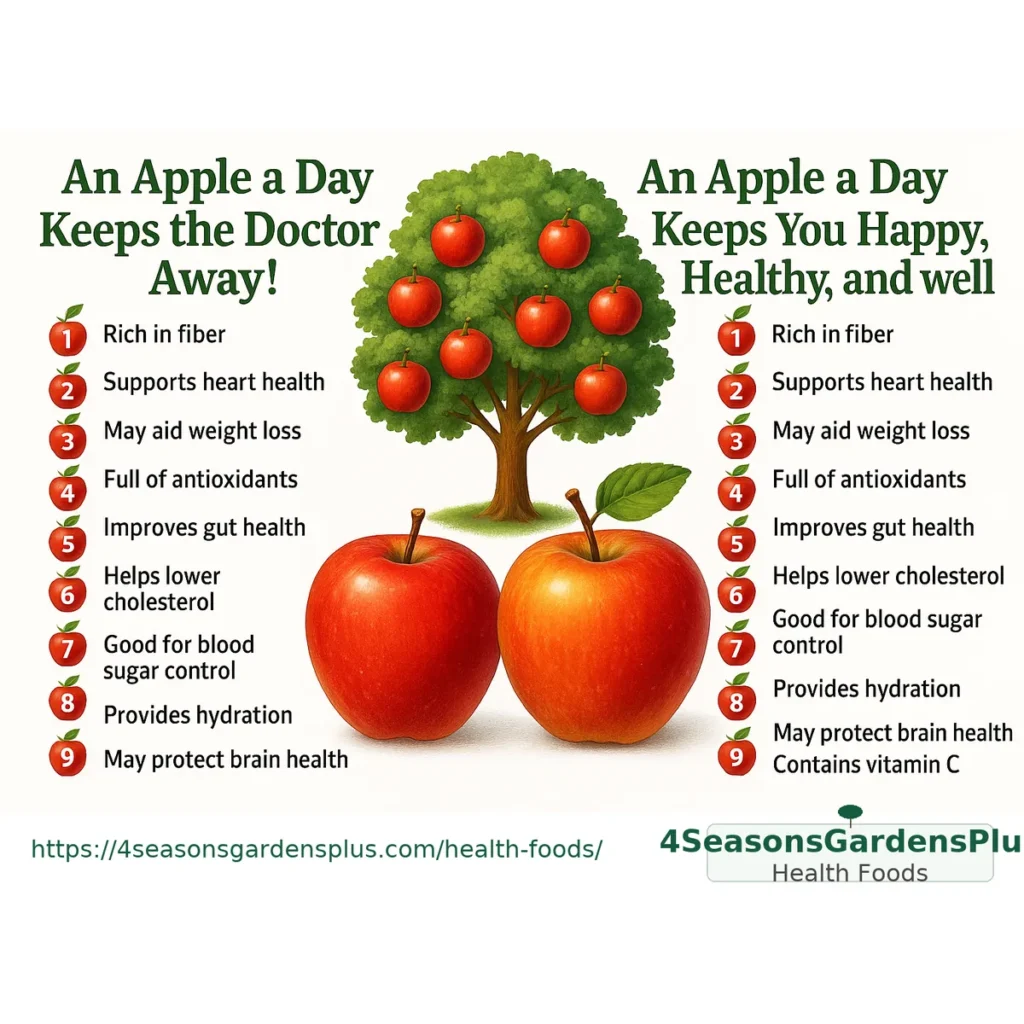
An Apple a Day Keeps the Doctor Away!
An Apple a Day keeps You Happy, Healthy, and Well!
An apple a day keeps you happy, healthy, and well!
++++++++++++++
Happy birthday to you!
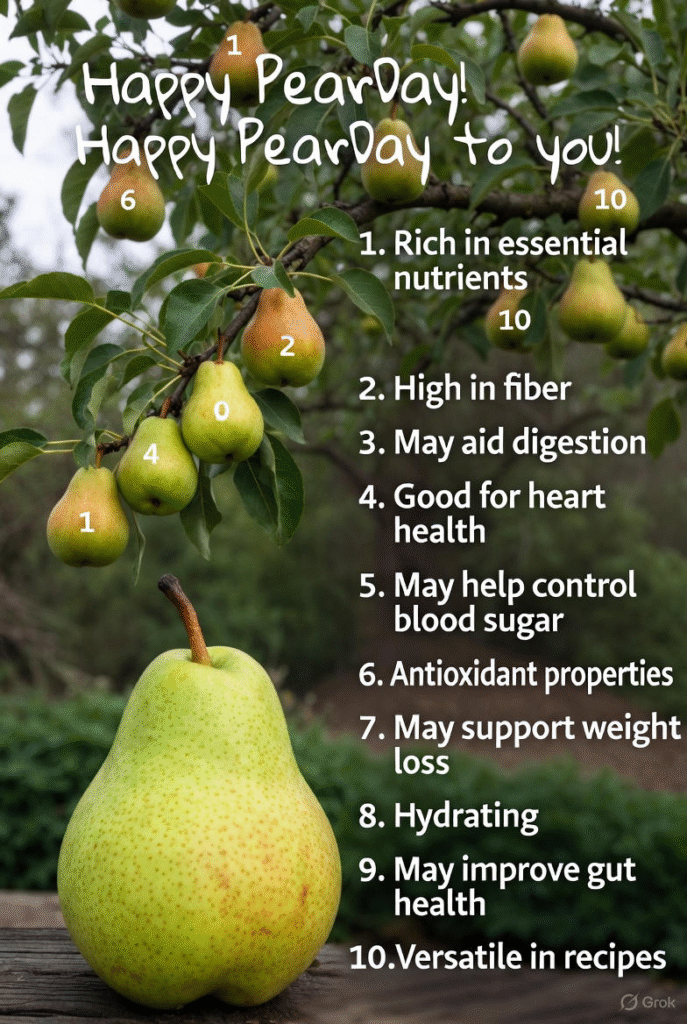
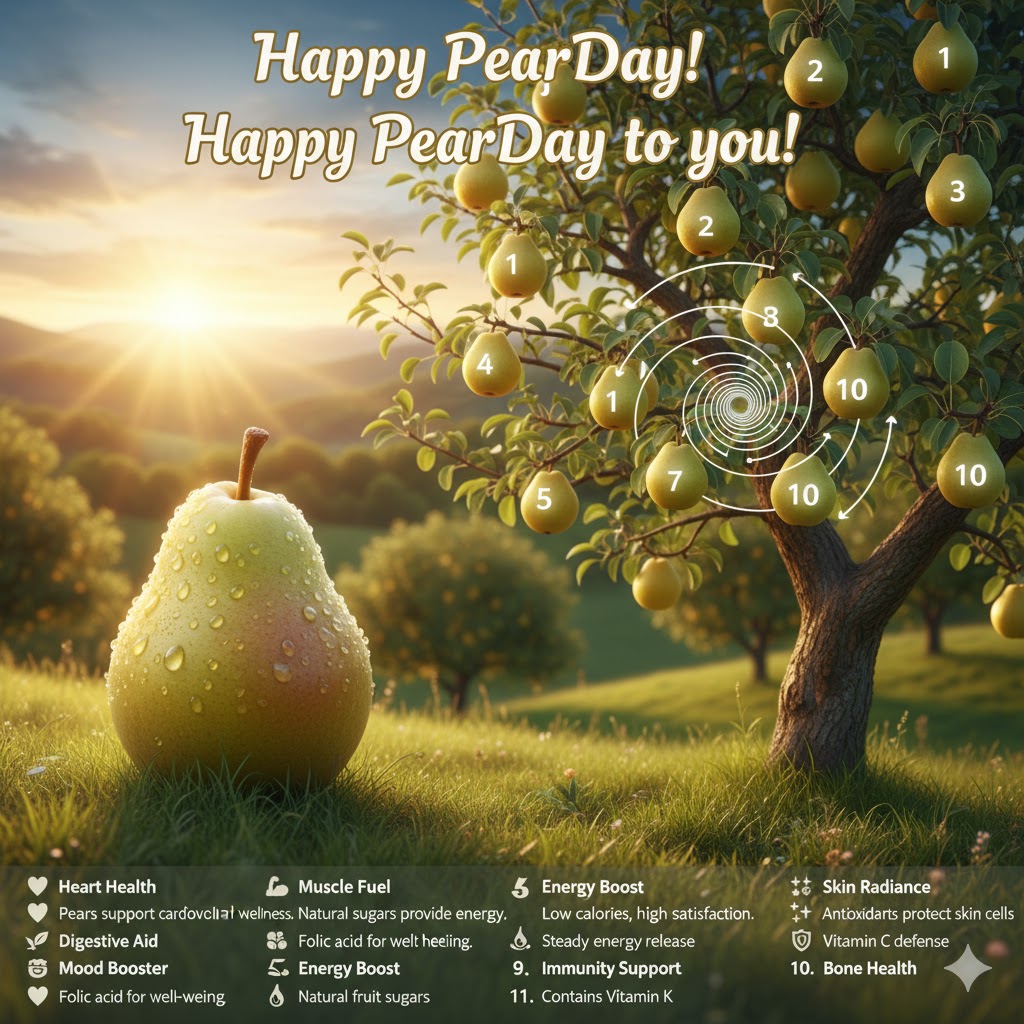
Happy pearday to you! Happy pearday!

++++++
Hoping all your birthday wishes come true! Happy birthday, [name]!
You’re amazing! I wish you all the best on your special day!
May this next trip around the sun be your best one yet!
Wishing you a day filled with love, laughter, and all your favorite things!
Happy birthday! May your year ahead be as amazing as you are.
Cheers to another year of wonderful adventures! Have a fantastic birthday.
May this birthday bring you happiness, success, and endless joy.
Another year older, wiser, and even more fabulous! Happy birthday!
Wishing you health, happiness, and everything you’ve been dreaming of this year.
Enjoy every moment of your birthday—you deserve it!
Happy birthday! May your special day be as bright and beautiful as your smile.
Here’s to celebrating you on your birthday and all the joy you bring to the world.


+++++++++++++++++++++
attention👍
verbalize, verbalization
visualize visualization
actualize actualization
dramatize dramatization
emotionalize, emotionalization
vocalize vocalization
realize realization
legalize legalization
localize localization
vitalize
totalize totalization
equalize equalization
idealize idealization
finalize finalization
socialize socialization
capitalize capitalization
globalize globalization
formalize formalization
organize organization
digitalize digitization
centerize centerlization
personalize personalization
memoralize memoralization
immortalize immoertalization
nationalize nationalization
specialize specialization
rationalize rationalization
liberalize liberalization
materialize materialization
++++++++++++
verbalize – verbalization
visualize – visualization
actualize – actualization
dramatize – dramatization
emotionalize – emotionalization
vocalize – vocalization
realize – realization
legalize – legalization
localize – localization
vitalize – vitalization
totalize – totalization
equalize – equalization
idealize – idealization
finalize – finalization
socialize – socialization
capitalize – capitalization
globalize – globalization
formalize – formalization
organize – organization
digitalize – digitalization (note: “digitize – digitization” is more common, but digitalization is also accepted)
centralize – centralization (corrected from “centerize/centerlization”)
personalize – personalization
memorialize – memorialization (corrected from “memoralize/memoralization”)
immortalize – immortalization (corrected from “immoertalization”)
nationalize – nationalization
specialize – specialization
rationalize – rationalization
liberalize – liberalization
materialize – materialization
Additional common verbs that follow the same -ize / -ization pattern (if you want to expand the list further):
utilize – utilization
stabilize – stabilization
mobilize – mobilization
neutralize – neutralization
normalize – normalization
sterilize – sterilization
symbolize – symbolization
civilized – civilization
revolutionize – revolutionization (rare; “revolutionize” usually stays without -ization form)
crystallize – crystallization
fertilize – fertilization
generalize – generalization
harmonize – harmonization
mechanize – mechanization
modernize – modernization
optimize – optimization
penalize – penalization
standardize – standardization
terrorize – terrorization
+++++
**Verbs Ending in -ize and Their Corresponding -ization Forms**
1. verbalize – verbalization
2. visualize – visualization
3. actualize – actualization
4. dramatize – dramatization
5. emotionalize – emotionalization
6. vocalize – vocalization
7. realize – realization
8. legalize – legalization
9. localize – localization
10. vitalize – vitalization
11. totalize – totalization
12. equalize – equalization
13. idealize – idealization
14. finalize – finalization
15. socialize – socialization
16. capitalize – capitalization
17. globalize – globalization
18. formalize – formalization
19. organize – organization
20. digitalize – digitalization (Note: “digitize – digitization” is more common, but “digitalization” is also accepted.)
21. centralize – centralization (Corrected from “centerize/centerlization.”)
22. personalize – personalization
23. memoralize-memoralization
24. immortalize –immoertalization
25. nationalize – nationalization
26. specialize – specialization
27. rationalize – rationalization
28. liberalize – liberalization
29. materialize – materialization
30. stabilize – stabilization
31. mobilize – mobilization
32. neutralize – neutralization
33. normalize – normalization
34. sterilize – sterilization
35. symbolize – symbolization
36. civilize – civilization
37. revolutionize – revolutionization (Note: “revolutionize” usually does not have an -ization form, and this usage is rare.)
38. crystallize – crystallization
39. fertilize – fertilization
40. generalize – generalization
41. harmonize – harmonization
42. mechanize – mechanization
43. modernize – modernization
44. optimize – optimization
45. penalize – penalization
46. standardize – standardization
47. terrorize – terrorization
48. utilize – utilization
49. centralize
This list provides a clear presentation of verbs and their corresponding noun forms ending in -ization.
++++++++++
Realize, rationalize, idealize, verbalize, visualize, emotionalize, actualize, specialize, finalize, capitalize, localize, nationalize, globalize, immortalize
++++++++++++
Give your attention and focus to your inner red rose and inner roses garden realize, rationalize, idealize, verbalize, visualize, emotionalize
+++++
love
motherhood love, fatherhood love, family love, spouse love, or sexual love, etc…
just the friendly love of two or more people to each other ( with no family connection )
+++++++++
yesimbest writer and i write my best
ysimbstwritrand iwritebest
( As You Like It )
Please create video of the front view of the Vancouver Public Library central branch, with a large, around 20-meter beautiful, golden, and shiny statue of William Shakespeare with his book ( First Folio) in his right hand with these writing on cover clearly readable says in 4 lines( To be free to listen, To be free to speak, To be free to read, to be free to write) and under those four lines this writing ( As You Like It ) plus status in front of bulding on top of stairs.
+++++++++++++++
Five Eyes: An intelligence alliance between Australia, Canada, New Zealand, the United Kingdom, and the United States, established after World War II to share intelligence information.
+++++++++++++++
List of countries by English-speaking population
https://en.wikipedia.org/wiki/List_of_countries_by_English-speaking_population
Good question. Here’s a rough overview of some major countries where English is widely spoken as a first language (native / majority native‑speaking population) — along with notes to understand what “native / majority English” means globally.
🌎 Examples of countries with significant native‑English / majority‑English populations
According to various sources, the following countries are commonly listed among those where English is the first / majority language. (Sheffield University)
Some key ones:
- United States (USA) — the country with the largest number of native English speakers worldwide. (Worlddata.info)
- United Kingdom (UK) — English is the dominant first language for most of the population. (justlearn.com)
- Canada — many Canadians speak English as their first language. (Sheffield University)
- Australia — predominantly English‑speaking population. (Sheffield University)
- New Zealand — included among majority native English‑speaking countries mentioned by UK government listings. (Sheffield University)
Also many small countries and island nations — especially in the Caribbean or Pacific — are included in “native English–majority” lists. (Sheffield University)
📊 Global context & scale
- Worldwide, there are estimates that around 400 million people speak English as a native language. (Wikipedia)
- When including second‑language speakers, the number of people who speak English globally rises dramatically — often estimated between 1.5 and 2 billion people. (Wikipedia)
- Not all countries where a large number of people speak English have English as a native language. For example, some Asian or African nations may use English widely as a second or official language. (World Population Review)
⚠️ What “English‑speaking country” actually means — and subtleties
- “Native / first language” — Means a majority of population grew up with English as their first language. Not all countries with large English‑speaking populations meet this.
- “Official language / second language” — Many countries use English in government, education or business even if it’s not the mother tongue for most people. (Wikipedia)
- “English‑proficient / multilingual population” — In much of the world, many people speak English in addition to their native languages, which complicates classification.
If you like — I can compile a full list (≈ 20–40) of major countries where English is a native / majority first language, along with their estimated native‑English populations.
Do you want me to build that list now?